




Wine is one of life's simple pleasures meant to be shared. Ohio produces some high quality wines that we can be proud to have in our collection.
There are several essentials that can dramatically add to the enjoyment of any wine: serving at the correct temperature allows each type of wine to be at its optimum for flavor and aroma; serving the wine in the correct glass emphasizes a particular wine's characteristics.
Ohio's wine producers have been producing quality wines for almost as long as the Ohio has been a state. In 1830 Ohio’s semi-sweet Catawba wine was the pinnacle of good taste and much sought after across the United States. When Eastern Europeans came to the Lake Erie shores they made the style of wine they were familiar with from native grapes and that wine was sweet to semi-sweet.
Today's Ohio winemakers produce more sophisticated European varietals from very dry to semi-sweet to meet higher expectations of modern consumers. These wines win awards all over the country including California competitions.
Think that fine wines only come from France or Italy? Or maybe you like only domestic wines that come from California. Well Ohio also produces some high quality wines.
In 2006 Ohio was home to more than 97 wineries producing more than 700,000 gallons of wine per year valued at over $75,000,000 with over 2,200 acres of land devoted to vineyards.
For centuries wines have been described by style, variety, and flavors. While no one other than you can ever know exactly how a wine strikes your senses, professional wine judges are trained to discern the subtleties of wines and rank them against the established for that wine.
In the 17th century, Benedictine monk, Dom Perignon is credited with discovering the cork as a closure for wine bottles.
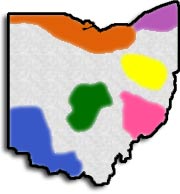
Some of these regions are part of a defined viticulture appellation, and others are not. They are grouped according to regions of Ohio that have developed a thriving winery business and can make for a pleasant weekend visit to several wineries in particular areas.
A small winery is really a miniature manufacturing plant, and manufacturing is very capital intensive.
The start up costs vary depending on the volume of wine you'd want to create during that initial startup. For example, a winery that would produce 5000 gallons of wine in the first year would cost about $250,000.
If you have a more ambitious goal of producing 15,000 gallons of wine, those start up costs would cost you a little more than a cool half million dollars. These prices assume that you already have some land suitable for growing grapes.
The purpose of the Seal of Approval is o help consumers know which Ohio wines have met the high-quality standards, a special label will be added to the bottles of the 41wines that passed the evaluation process. Ohio Department of Agriculture Director Robert J. Boggs said:
“This seal will provide an easy and reliable way for consumers, especially with limited wine knowledge, to choose a high-quality, locally-made wine that they can proudly serve.”
Ohio and most Eastern Section wine states are known as cool climate wine producers, as are wines from California, Germany and Italy.
Ohio has 5 viticulture appellations determined by the Bureau of Alcohol, Tobacco, and Firearms:
Lake Erie Region: includes grapes grown near the shores of Lake Erie in Ohio, New York, and Pennsylvania. This area also includes St. George, and Grand River Valley
Grand River Valley is part of the Lake Erie Region
Isle St. George (North Bass Island) is also part of the Lake Erie Region
Ohio River Valley which borders the Ohio River from Wheeling, West Virginia to Cincinnati and continues on to Evansville, Indiana.
Laramie Creek is in Shelby County, bordered by Loramie and Tuttle Creeks and State Route 47. Unfortunately, the Loramie Creek appellation currently has no operating winery in its jurisdiction.
These are the 5 distinct recognized regions in Ohio, but there are other winegrowers that grow grapes in Central Ohio, Western Ohio, and areas not yet identified with their own Viticulture Appellation.
Ok, so what's a Viticulture Area?
That's an area that can grow grapes successfully, and, has distinguishable geographic features, say, an island, or the area next to Lake Erie or a particular valley.
Great company and food, wine always makes the party. Introducing friends to the joys of wine by organizing your own blind tasting is a great evening and it's easy to do.
Keep things manageable, limit your guest list to 10 - 14. Choose 4 - 6 wines for comparison. Select a them of the wines you will be tasting.
You might select the different Ohio Varietals, or the same wine in different price ranges.
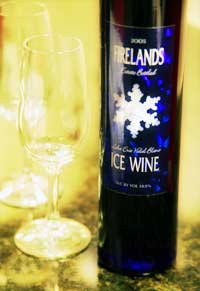
Nothing says winter like Ohio's world famous Ice wines! Made from grapes that were left on the vine to freeze, Ice wine is a popular northern Ohio treat.
Each year after that first hard freeze, the grapes are hand-picked and processed. Due to the labor-intense and risky production process, results usually produce only small amounts of ice wines and are generally quite expensive because of the low yield. For example, some years an entire vine may only produce enough for a single bottle. Ice Wines are typically sold in half-bottles only.
Ice Wines are sweeter because of their higher sugar content.
Each wine has something unique to offer your senses. Wine glasses are carefully shaped to accentuate those defining qualities, directing wine to specific areas of the tongue and nose where they can be fully enjoyed.
Cabernet Sauvignon/Bordeaux Glasses
Their large, elongated bowl allows aromas to build before reaching the nose. The opening directs the wine to the front of the tongue where sweet receptors can better detect the fruit flavors.
Pinot Noir/Burgundy Glasses
Wide, shorter bowl offers more surface area, less distance for subtle aromas to reach the nose. Directs wine to the front of the mouth where the tongue can taste the fruit flavors and acids, and minimizes tannins.
Chardonnay/Chablis Glasses
Smaller bowl focuses the more delicate aromas. Less volume keeps wine at the proper serving temperature longer. Opening delivers wine to the front of the tongue for fruit flavors to be savored.
Sauvignon Blanc/Pinot Grigio Glasses
Narrower shape focuses the delicate aromas and delivers them straight to the nose; minimizes warming. Narrow opening targets wine to the front and sides of the tongue where fruit flavors and tangy acidity are best enjoyed.
Sparkling Wine/Champagne Glasses
Slender flute shape maintains fizz and chill; allows taste buds to enjoy fruitiness and acidity.
When serving wine it is best served at the proper temperature
Champagne, Sparkling and Dessert Wines: 40°
Sauvignon Blanc, Pinot Grigio Wines: 45 - 48°
Chardonnay, Chablis Wines: 48 - 52°
Pinot Noir Wines: 60 - 64°
Cabernet Sauvignon, Merlot,Shiraz Wines: 64 - 66°
© Copyright
Ohio City Productions, Inc. All Rights Reserved. | Site Map | Privacy Policy | Contact Us | Site designed and Powered by 